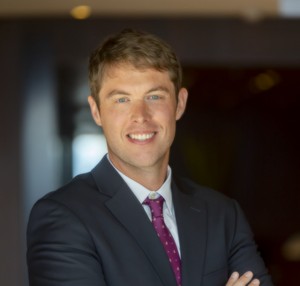


I am a Senior Lecturer in the School of Economics at the University of Queensland. Prior to joining UQ, I was an Associate Professor at the KDI School of Public Policy and Governance in Sejong City, South Korea. I am also a Research Fellow at IZA (Institute of Labor Economics) in Bonn, Germany, and an Invited Researcher with the Abdul Latif Jameel Poverty Action Lab (J-PAL).
My research and teaching interests include the microeconomics of development, applied microeconometrics, agriculture, poverty, and the environment.
My current work focuses on three separate strands of literature: labor allocation, poverty, and methodologies to improve estimates of statistics of interest to economists and policymakers. Ongoing work studies how households allocate their labor in developing countries, especially across sectors. I work on the effects of pollution on agricultural productivity as well as how a changing environment affects labor allocation decisions. I also have ongoing work studying poverty and the best ways to improve poverty estimates, whether across time or across space. Relatedly, in work with regular collaborators, we are studying the best options to estimate different statistics – including poverty and labor force statistics – in developing countries, where data infrastructure may not allow the types of methods used in developed countries. For example, we are studying whether small area estimation methods or machine learning methods offer more accurate predictions of different outcomes and at different levels of aggregation.
As part of my small area estimation and poverty work, I take part in capacity building with the United Nations Statistics Division and the World Bank to improve the understanding of small area estimation across the world. Current work revolves around disseminating working guidelines, but future work may also incorporate videos as well as in-person workshops.

